


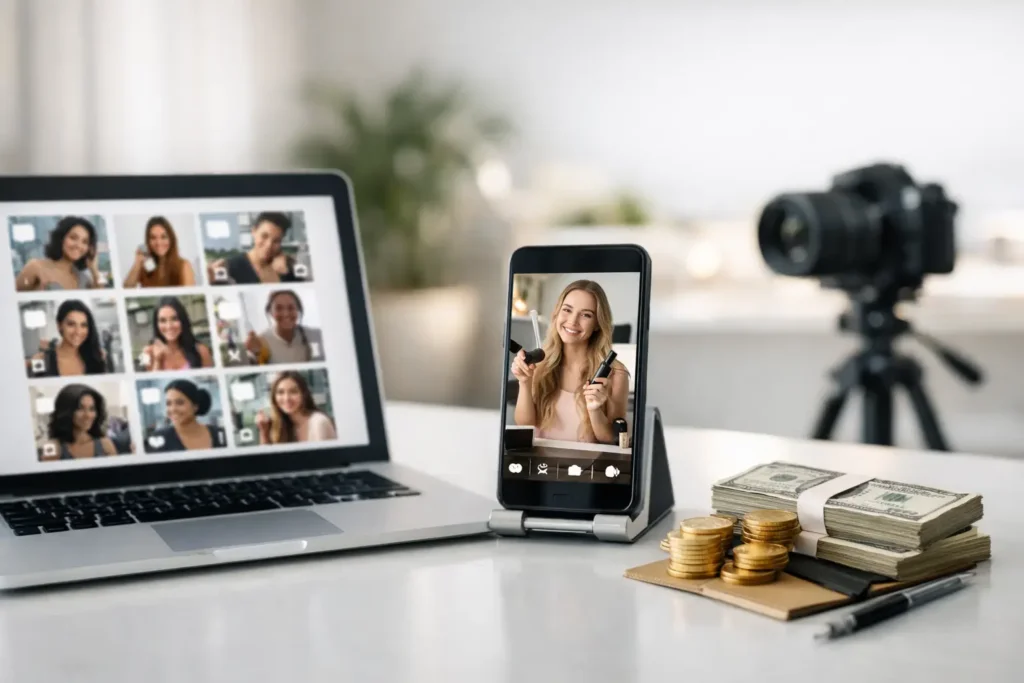
A creator with 12,000 engaged followers can produce more qualified leads than a celebrity account with a million passive viewers. That is why influencer marketplaces have become a practical option for businesses that need audience reach without gambling their budget on vanity metrics. The right marketplace helps brands identify relevant creators, manage campaign details, and measure whether the work actually supports sales, traffic, and visibility.
For small and mid-sized businesses, the opportunity is real, but so is the risk of choosing creators based on follower count alone. A smart influencer campaign starts with audience fit, clear deliverables, and a way to connect exposure back to business results.
What Influencer Marketplaces Actually Do
An influencer marketplace is a platform or managed network that connects brands with content creators. Some platforms are self-service, meaning your team searches profiles, sends offers, handles approvals, and manages payments. Others provide campaign support, creator vetting, content coordination, and reporting.
The best fit depends on how much time your company can dedicate to campaign management. A marketing team with influencer experience may benefit from a self-service marketplace and full control over creator selection. A local business owner or lean in-house team may get better results from a managed approach that handles the details and provides direct guidance.
Most marketplaces give brands access to creator information such as audience size, content category, location, engagement history, estimated pricing, and platform focus. This is useful, but data alone does not guarantee a successful partnership. A creator can look perfect on a dashboard and still miss the mark if their voice, audience trust, or content style does not fit your business.
Why Micro-Influencers Often Deliver Better Value
Businesses are often drawn to large accounts because the reach looks impressive. Reach matters, but it is only one part of the decision. For many service businesses, local brands, ecommerce companies, and growing consumer products, micro-influencers can be the more effective choice.
Micro-influencers usually have smaller, more focused communities. Their followers often see them as accessible and credible rather than distant public figures. A fitness coach with a loyal regional audience may be a stronger fit for a local wellness business than a national celebrity whose followers are spread across the country.
Working with several micro-influencers also reduces risk. Instead of placing the entire campaign budget with one creator, a brand can test different audience segments, content formats, and messaging angles. One creator may drive website visits, another may generate strong comments and saves, and a third may produce reusable content for paid social campaigns.
This approach requires organization. More creators mean more communication, more content review, and more tracking. That is where a managed influencer network can be valuable. The goal is not simply to send products to as many people as possible. It is to build a coordinated campaign with a clear business purpose.
How to Choose the Right Influencer Marketplace
Start with the audience you need to reach, not the platform you want to use. A B2B software company, a San Diego restaurant, and a skincare brand will not evaluate creators the same way. Define the buyer, geographic area, interests, and action you want people to take after seeing the content.
Then evaluate the marketplace based on the quality of its creator network and the level of support it provides. Look beyond the number of listed influencers. A large database is not automatically an advantage if the platform makes it difficult to spot inactive accounts, inflated engagement, or audiences outside your target market.
A worthwhile marketplace should help you answer practical questions: Can you filter creators by location and niche? Can you review real audience data? Are campaign fees and creator costs clear before you commit? Is there a process for handling missed deadlines or content that does not meet brand standards? Can performance be measured after posts go live?
Transparency matters just as much as access. If pricing is unclear or the reporting stops at likes and impressions, it will be difficult to know whether the investment is paying off. Brands should expect clear scopes, realistic timelines, and direct communication throughout the campaign.
Build a Campaign Around a Measurable Goal
Influencer marketing performs best when it supports a specific objective. Broad awareness can be useful, but it should still have a defined audience and a reason for existing. For example, a local home services company may want more calls in a specific service area. An ecommerce brand may want product page traffic and first-time purchases. A professional services firm may want more credibility and branded search activity.
Choose one primary goal before selecting creators. Common goals include increasing local awareness, generating content assets, driving website traffic, supporting a product launch, earning newsletter signups, or improving conversion on a featured offer. Secondary benefits may follow, but the campaign should not try to accomplish everything at once.
Your deliverables should match that goal. A short TikTok video may be ideal for product discovery, while Instagram Stories can work well for time-sensitive promotions. A detailed tutorial or testimonial may be more useful when customers need education before buying. Good creators know their audience, but brands still need to provide direction on the offer, key points, required disclosures, deadlines, and approval expectations.
Avoid scripts that make every post sound like an advertisement written by a committee. Give creators enough room to use their natural voice. The message should be accurate and on-brand, but authenticity is the reason their audience pays attention in the first place.
Look Past Likes When Measuring Results
Likes are easy to see and easy to celebrate. They are not always a reliable business metric. A campaign with modest engagement may still generate qualified site visits, product purchases, consultation requests, or a meaningful increase in branded searches.
Set up tracking before content is published. Use unique landing pages, campaign codes, creator-specific offers, or dedicated forms when appropriate. Monitor referral traffic, conversion activity, new customer inquiries, and assisted conversions alongside platform metrics such as reach, saves, shares, comments, and video completion.
For businesses investing in SEO, influencer work can have value beyond immediate clicks. Strong creator content can introduce the brand to new audiences, create social proof, increase branded search demand, and provide content that can be repurposed across social channels. It does not replace technical SEO, keyword-focused content, or quality link building. It can strengthen the broader visibility strategy when the campaigns are planned together.
Zoom Trans approaches influencer outreach as part of that bigger picture, combining creator amplification with the search and content work needed to turn attention into long-term online visibility.
Common Mistakes That Waste Influencer Budget
The most expensive mistake is selecting creators based only on follower count. An audience can be large, but irrelevant, disengaged, or located outside the markets your business serves. Review recent posts, comment quality, audience geography, and whether the creator has a consistent relationship with their followers.
Another common issue is failing to set expectations in writing. A campaign should define the content format, number of posts, deadlines, messaging requirements, revision process, usage rights, disclosure requirements, and payment terms. Clear terms protect both the brand and the creator.
Businesses also lose momentum when they treat influencer content as a one-time event. If a post performs well, use the learning. Test a stronger offer, feature the content in paid advertising, add it to product pages where permitted, or build a follow-up campaign with similar creators. The best campaigns improve over time because the brand pays attention to what the audience responds to.
When a Managed Approach Makes Sense
A marketplace can save time, but it can also create more work if no one owns strategy, creator communication, content review, and reporting. A managed program is often the better choice when a business needs creator access but does not have an experienced in-house influencer manager.
It is also useful when local relevance matters. For a regional brand, finding creators who genuinely influence people in the right city, neighborhood, or customer community is more valuable than buying broad national exposure. The campaign needs to feel credible to the people most likely to become customers.
The right partner should be willing to explain what is realistic. Not every campaign will produce immediate sales, and not every creator will perform equally. Transparent planning, ongoing reporting, and the ability to adjust the campaign are more valuable than promises of guaranteed virality.
Choose influencer partners the same way you choose any growth channel: start with a clear customer, a clear offer, and a clear way to measure progress. When creators, content, and search visibility work toward the same goal, influencer marketing becomes more than exposure – it becomes a dependable part of how your business earns attention and turns it into action.