

Micro Influencer Marketing for Small Business
- June 29, 2026
- Posted by: KjWxJXiE17
- Category: News and Articles
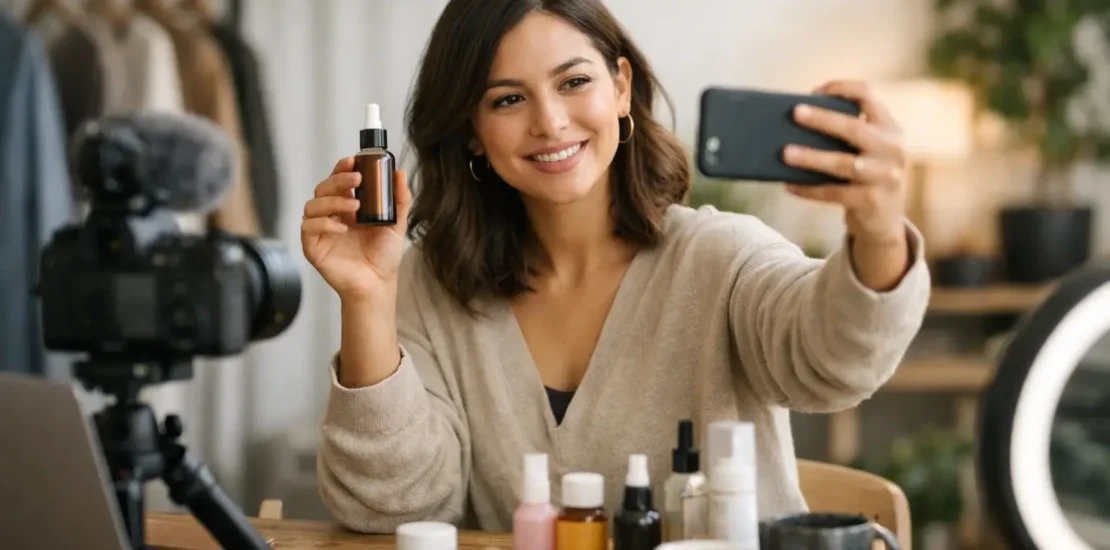
A local business does not need a celebrity budget to get real attention online. What it needs is credibility in front of the right audience, and that is exactly where micro influencer marketing for small business can outperform broad, expensive campaigns that look impressive but do not move leads.
For many small and mid-sized brands, the problem is not a lack of effort. It is wasted effort. Paid ads get more expensive, organic social reach is inconsistent, and SEO takes time to build. Micro-influencers sit in a useful middle ground. They already have audience trust, they can create content that feels native to the platform, and they often cost far less than larger creators while delivering stronger engagement.
Why micro influencer marketing for small business works
A micro-influencer usually has a smaller but more engaged following, often in a clear niche or local market. That matters because small businesses rarely need mass exposure. They need the right exposure. A local med spa, restaurant, home service company, boutique fitness studio, or ecommerce brand will usually get more value from five creators with loyal regional audiences than one larger account with followers spread across the country who will never buy.
The real advantage is trust. People follow micro-influencers because their content feels more personal and less polished. Their recommendations can come across like advice from someone you actually know. That credibility is hard to buy through traditional advertising.
There is also a practical budget benefit. Small businesses can often structure campaigns around product exchange, modest flat fees, or short-term partnerships instead of committing to six-figure brand deals. That creates room to test, learn, and improve without putting the entire marketing budget at risk.
Still, this channel is not magic. If the influencer audience is a poor fit, or the content lacks direction, results can be weak. Good campaigns come from targeting, clear offers, and follow-through.
What a strong campaign actually looks like
The best micro influencer campaigns are built around a business goal, not just a social media post. If the objective is local awareness, then reach, saves, profile visits, and branded search lift matter. If the objective is direct sales, then promo codes, landing page traffic, lead form submissions, and assisted conversions matter more.
This is where many small businesses go wrong. They pick influencers based on follower count alone. That is the wrong filter. Audience relevance, content quality, engagement patterns, and geographic fit are more important. An account with 8,000 followers in your service area that regularly gets thoughtful comments is often more valuable than an account with 80,000 followers and weak interaction.
A strong campaign also gives creators enough room to sound natural. Over-scripted content tends to fail because audiences can spot forced promotion immediately. At the same time, no business should send creators out with zero guidance. The middle ground works best: clear talking points, clear brand boundaries, and freedom in delivery.
How to choose the right micro-influencers
Start with audience match. Ask whether the creator reaches the people you actually want as customers. For local companies, location matters. For niche brands, interest alignment matters. For higher-ticket services, trust and authority matter more than raw impressions.
Then look at engagement quality. High likes are nice, but comments tell a better story. Are people asking questions, tagging friends, and responding like they care? Or does the account look inflated with low-value interactions? Consistency matters too. A creator who posts regularly and maintains a recognizable style is usually a safer partner than someone who spikes once and disappears.
Content fit is another filter that gets overlooked. A good creator should already make the kind of content your brand could benefit from. If you need strong short-form video and they mostly post static images with minimal storytelling, the campaign may struggle no matter how good their audience is.
Finally, look at business fit. Are they professional in communication? Do they understand deadlines? Can they follow campaign instructions without turning the content into an ad that feels stiff? Small businesses do not have time to manage chaos. Reliability counts.
Budgeting without wasting money
One reason this channel appeals to small brands is flexibility. You do not need a massive campaign to get started. In fact, a smaller test is usually smarter. Work with a short list of qualified creators, define the content deliverables, and measure what happens before expanding.
Payment models vary. Some creators work for product plus a small fee. Others require flat-rate compensation. In some cases, affiliate commissions or performance bonuses make sense, especially for ecommerce. There is no universal best option. It depends on your margins, your offer, and how easy it is to track results.
Be careful with creators who seem cheap but produce weak content or have the wrong audience. Low cost is not the same as value. A campaign that costs less and delivers nothing is more expensive than a campaign that costs a bit more and creates measurable traffic, leads, or branded search growth.
The SEO and content advantage most businesses miss
This is where micro-influencer campaigns become more valuable than a simple awareness play. Good influencer content can support your broader digital visibility when it is integrated with your SEO and content strategy.
For example, if a campaign creates demand around your brand name, that can lead to more branded searches. If creators send traffic to a focused landing page, that page can be optimized for conversions and search relevance. If the campaign produces strong user-generated content, that content can support social proof across your website, blog content, and social channels.
This is especially useful for businesses trying to grow both rankings and reach at the same time. Search builds long-term discoverability. Influencer marketing adds faster audience exposure and brand trust. Together, they can reinforce each other instead of operating as separate efforts.
That integrated approach is often where experienced agencies add the most value. A campaign should not live in isolation. It should support lead generation, content development, and visibility goals across channels.
Common mistakes in micro influencer marketing for small business
The first mistake is treating every creator the same. Different influencers are good at different things. Some are strong at local awareness. Some drive product consideration. Some create excellent reusable content. If you expect all of them to do everything, you will be disappointed.
The second mistake is using weak offers. Even great creators cannot fix a weak promotion. If your landing page is unclear, your call to action is generic, or your service promise is vague, traffic will not convert.
The third mistake is poor tracking. Small businesses often say influencer marketing did not work when the real issue is that they never set up a way to measure impact. Use unique codes, dedicated landing pages, inquiry forms, or clear attribution methods. Not every result will be last-click, but you still need evidence.
The fourth mistake is chasing vanity metrics. Reach matters, but revenue matters more. A post with lower views that generates qualified leads is more valuable than a post with high views and zero action.
How small businesses can start the right way
Start with one objective and one audience. Keep the first campaign focused. Choose creators who align with your customer base, your geography, and your budget. Give them a clear brief, but do not suffocate the content. Then measure what happened.
After that, refine. Keep the creators who perform. Replace the ones who do not. Test different offers, content formats, and campaign windows. Over time, the goal is not just to buy posts. It is to build a repeatable system for trust, content, and demand generation.
For many businesses, outside support makes this process easier. Vetting influencers, negotiating terms, aligning the campaign with SEO goals, and tracking performance takes time. A hands-on partner can help connect those pieces without forcing you into a rigid long-term commitment. That is one reason brands work with teams like Zoom Trans when they want visibility growth tied to actual business outcomes, not just social activity.
Micro-influencer marketing is not the cheapest tactic, and it is not the fastest fix for every brand. But for small businesses that need more trust, more relevant exposure, and a smarter use of budget, it is one of the more practical channels available right now. When the audience fit is right and the strategy is grounded in measurable goals, even a modest campaign can create momentum that carries well beyond a single post.
The smart move is not to ask whether influencer marketing is trendy. It is to ask whether the right voices are already shaping your customers’ decisions, and whether your business is showing up in that conversation.
Leave a Reply
You must be logged in to post a comment.